Chain reaction · Board game · iPhone
Two colours, one grid, one rule: fill a cell to its limit and it fires its marbles into every neighbour – converting them. One move becomes a chain reaction; a deficit becomes a win.
 Free · Pro is a one-time purchase
How to play
That is the entire rulebook. Everything that happens afterwards is tactics.
Each turn adds one marble to an empty cell or one you own. A cell holds as many marbles as it has neighbours.
At the limit the cell discharges: one marble into each neighbour – and any enemy marbles there switch colour.
If one of those marbles lands on another full cell, that bursts too. The last colour left on the board wins.
One move, then it runs on its own: every bursting cell loads its neighbours until no enemy marble is left. In the app's slow-motion mode you can step through every stage.
Six boards
Galaxy is free; the other five themes come with Pro. Each has its own board, marbles and animations.
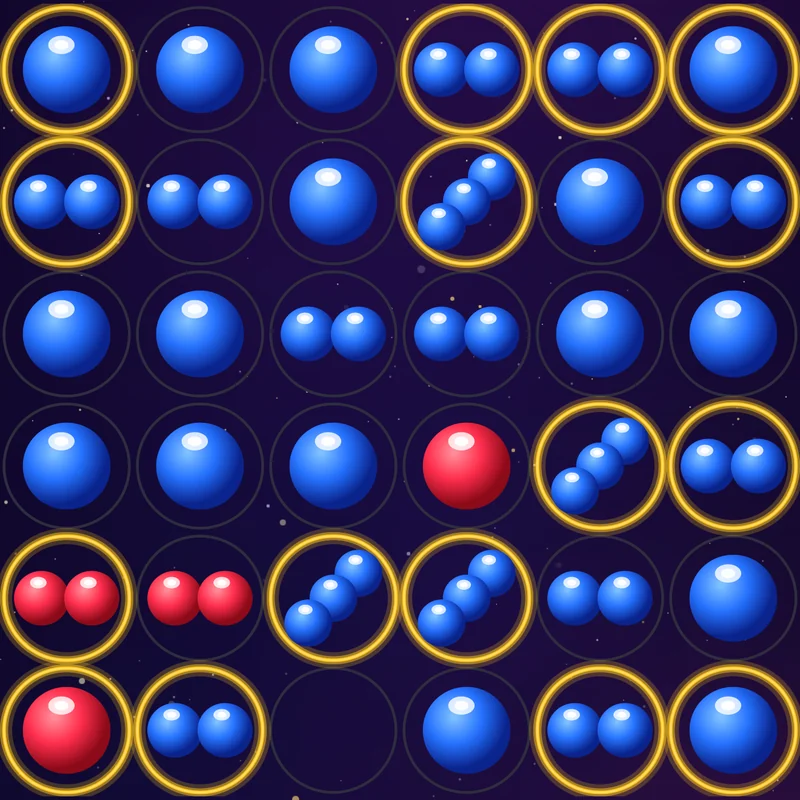
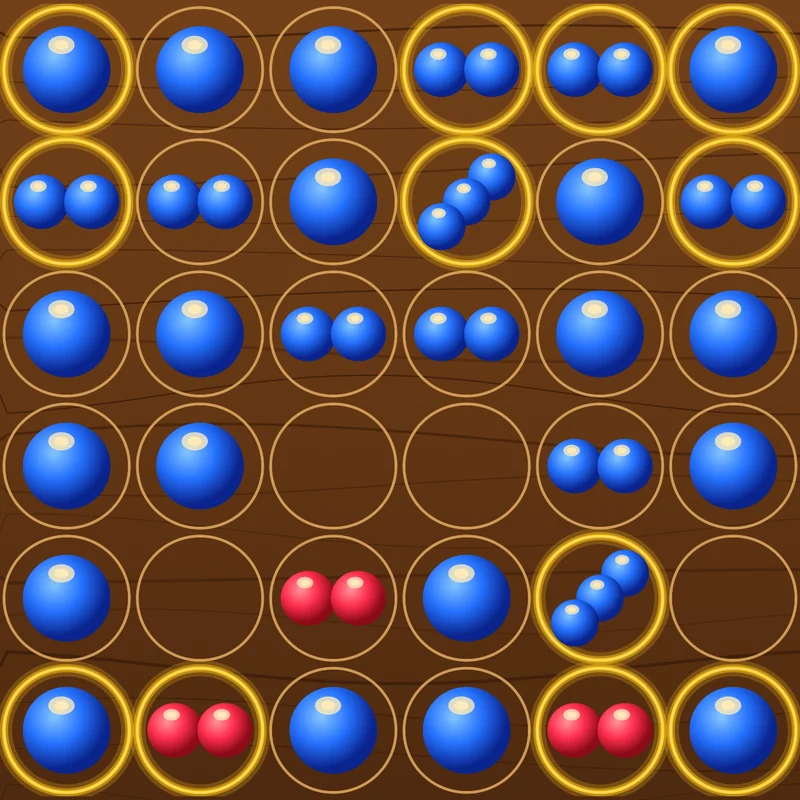
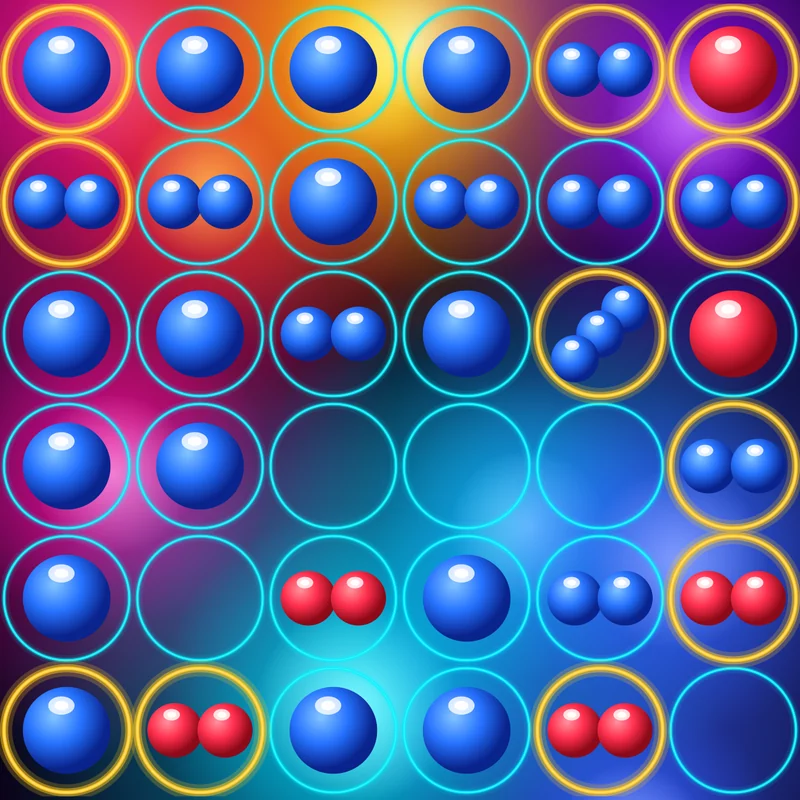
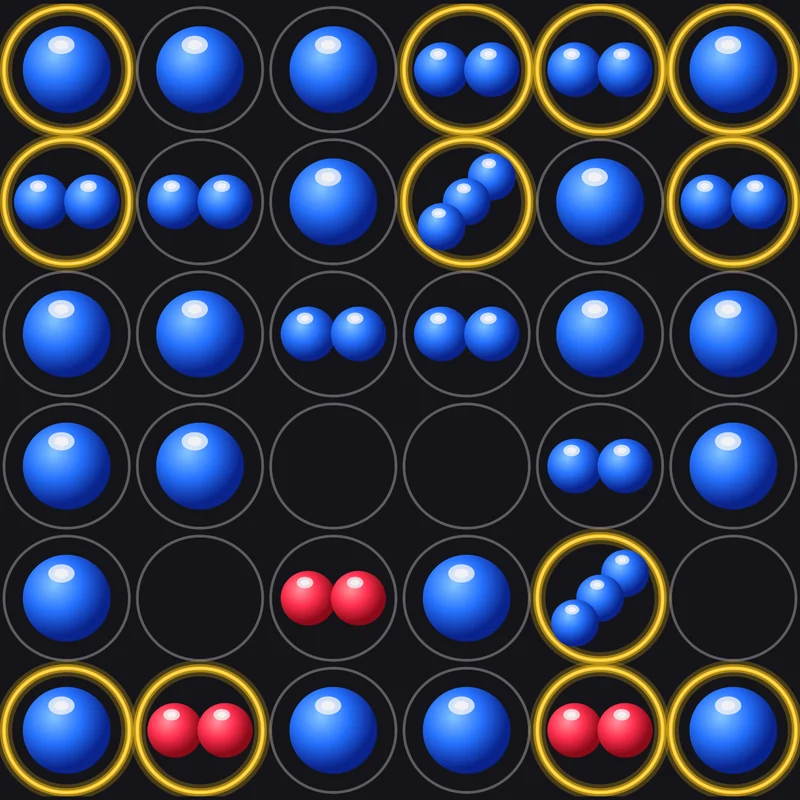
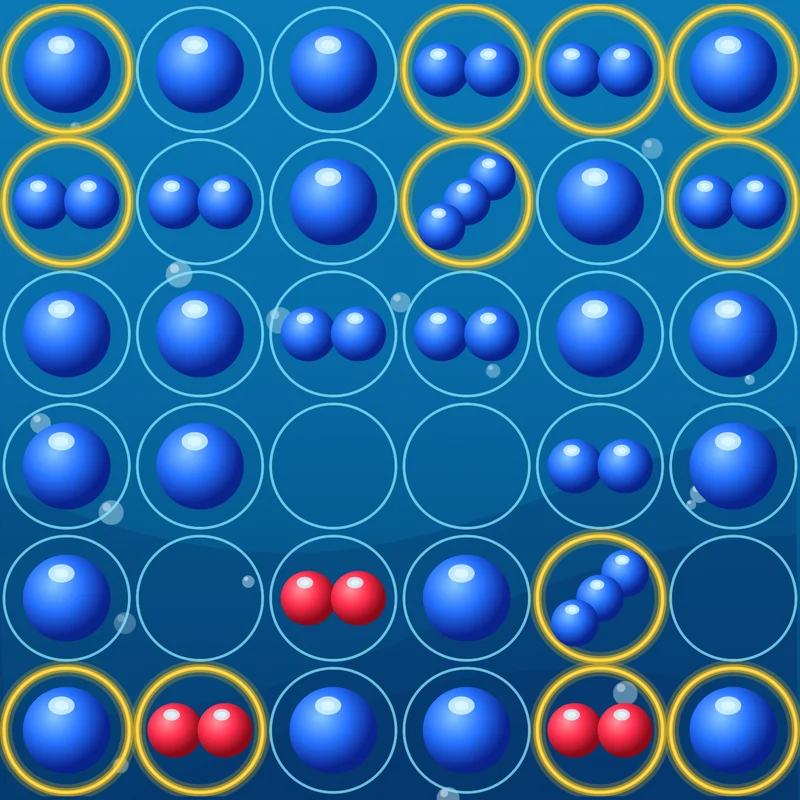
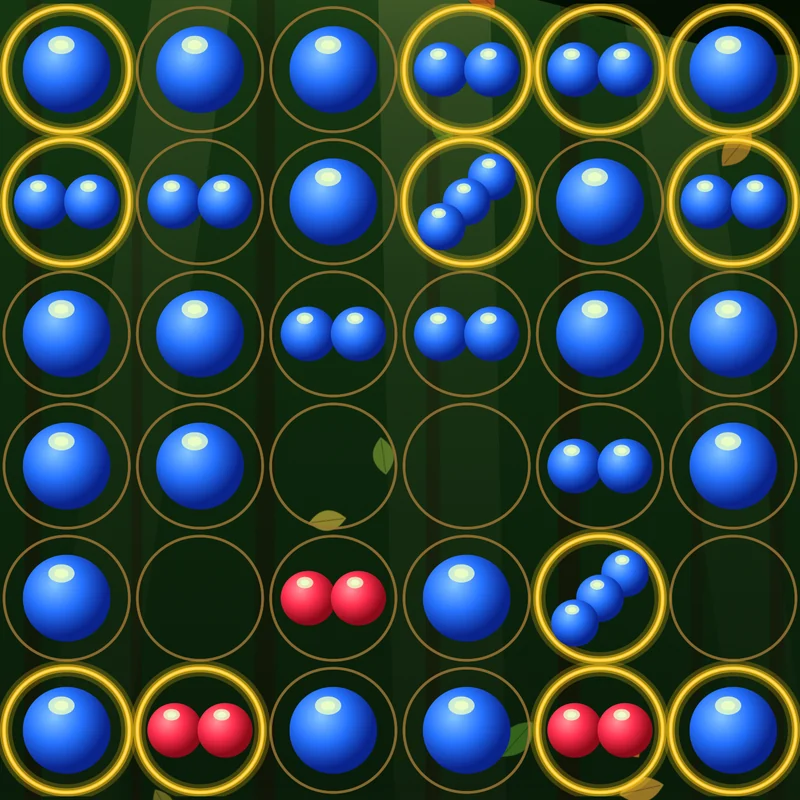
Screenshots
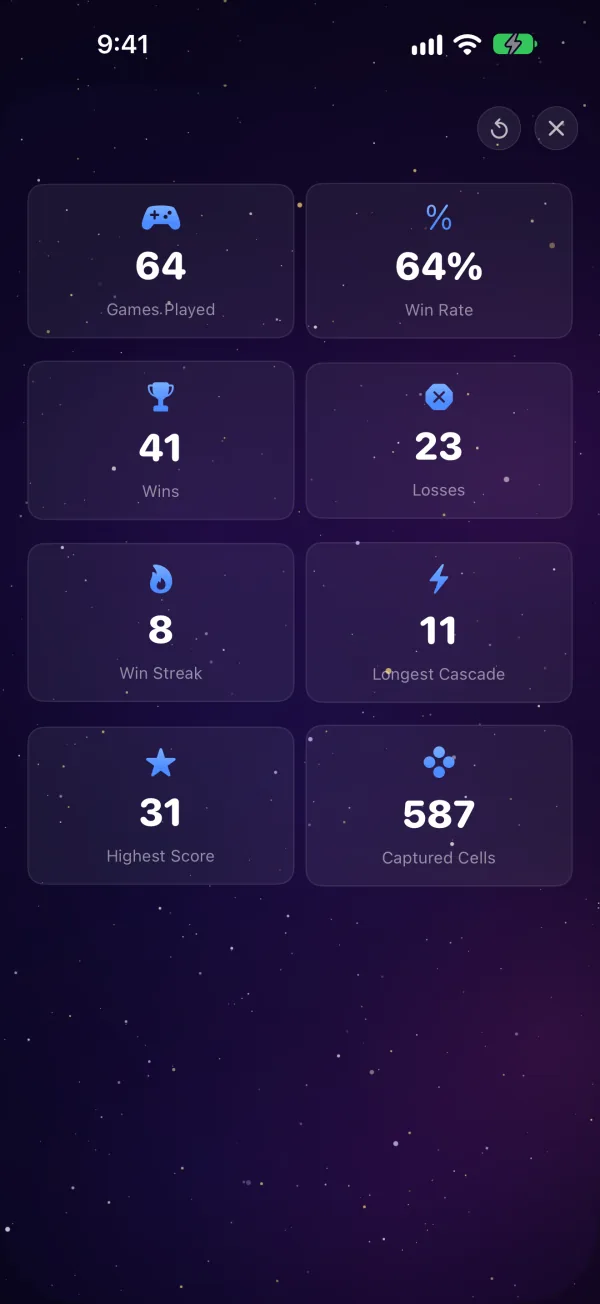
Board, AI selection, two-player mode, themes and statistics – straight from the current version.
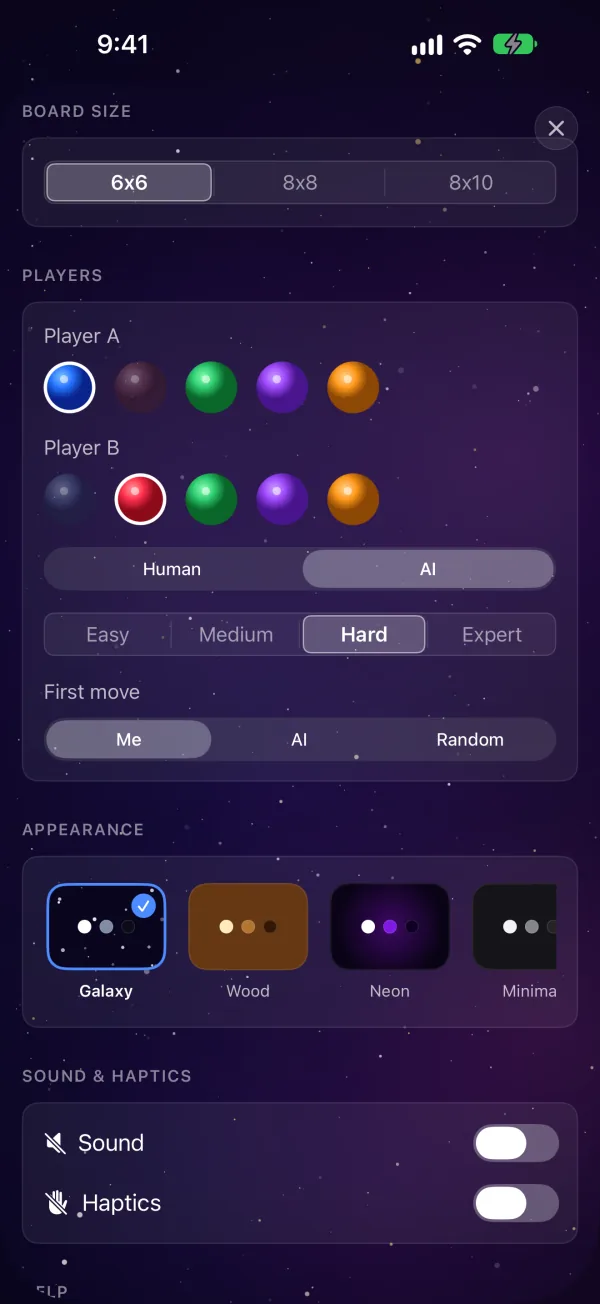
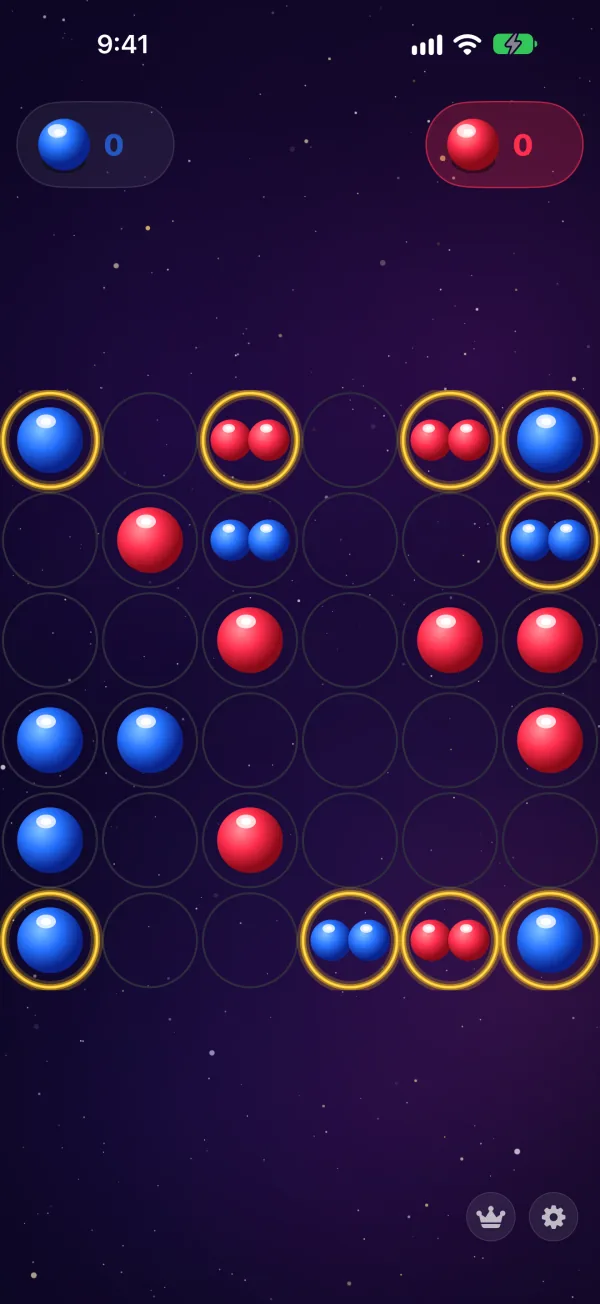
What is inside
PlayCascade runs entirely on the device – no server, no tracking, no timers.
From Easy to Expert. The top two search several moves ahead and vary their replies – see Beat the AI.
Phone in the middle, take turns tapping. No second device, no connection. More in Two-Player Games on One iPhone.
6×6 for quick games, 8×8 and 8×10 for long chains. Compared in Board Sizes.
Long chains can be replayed one overflow at a time – so you see which move turned the game.
You trigger your first cascade yourself in the tutorial. After that you know the game.
Wins, losses and captured cells stay on the device; so do interrupted games.
PlayCascade Pro
Pro is not a subscription and not a currency: one App Store purchase, and the hard AI levels, the large boards and every theme are yours – including the ones still to come.
Get it free on the App Store →Always free: the 6×6 board, Easy and Medium AI, two-player mode, the Galaxy theme, statistics, tutorial and auto-save.
Guides
Rules, openings, AI tactics, board sizes – and honest comparisons with other strategy games for iPhone.
Chain Reaction Game: Rules, Strategy & Where to Play
The complete overview: how the game works, why it is so swingy, and how to play it offline on iPhone.
The 7 Best Two-Player Games on One iPhone
Pass-and-play picks that actually work on a single phone – board games, word games and quick duels.
Offline Strategy Games for iPhone: No Ads, No Subscription
Strategy games that run with the network off and never interrupt you – and how to check before you install.
Chain Reaction Game Rules Explained
Capacity, overflow, capture, win condition – the complete rules with the edge cases people argue about.
Chain Reaction Strategy: 9 Tips to Win More Games
Corners, counting, loaded cells, tempo – the habits that separate players who win from players who get surprised.
How to Beat the AI in Chain Reaction (Easy to Expert)
What each AI level actually does, where it is weak, and a plan for your first win against the Expert.
Best Chain Reaction Opening Moves: Corners, Edges, Center
Why the first marble goes in a corner, when the centre is right after all, and how to answer each opening.
What Is Kaskade? The Board Game Behind PlayCascade
The German name, the family of chain-reaction games it belongs to, and how PlayCascade implements it.
Learn Chain Reaction in 5 Minutes
The shortest possible path from "never heard of it" to winning your first game against the Easy AI.
How Long Does a Game of Chain Reaction Take?
Typical game lengths by board size and opponent – and why the last move takes longer than the first twenty.
Games Like Othello and Reversi for iPhone
If you like flipping discs, here is what else flips – from classic capture games to chain reactions.
The Best Abstract Strategy Games for iPhone
No dice, no decks, no luck: pure decision games that fit in your pocket.
Pass-and-Play Games for iPhone: Two Players, One Device
How pass-and-play works, which games do it well, and the small details that make or break it.
Two-Player Games for Couples on One Phone
Five-minute games for a sofa, a train or a restaurant table – competitive enough to matter, short enough to replay.
Strategy Games for Kids and Families (No Ads)
Thinking games that are safe to hand to a child: no ads, no chat, no in-game currency, and rules a seven-year-old can follow.
iPhone Games Without Ads: How to Spot Them
Five things on an App Store page that tell you whether a "free" game will interrupt you – before you install it.
Good iPhone Games Without a Subscription
Why weekly plans crept into games, how to spot them, and where to find games you pay for once.
Chain Reaction Board Sizes: 6×6 vs 8×8 vs 8×10
How the board size changes the game: corners, tempo, game length and which size suits which player.
Brain Games for Adults: Abstract Strategy Games
Skip the "brain training" apps: real two-player strategy games exercise planning, counting and patience – and are fun.
FAQ
Nothing. The 6×6 board, two AI levels, two-player mode and the Galaxy theme are free and ad-free. Pro is a one-time in-app purchase for the Hard and Expert AI, the 8×8 and 8×10 boards and all themes – no subscription. Learn more →
When it holds as many marbles as it has neighbours: corner 2, edge 3, centre 4. One marble then moves into each neighbour and converts it. Guides: Rules →
In a corner. It needs only two marbles to burst and can be attacked from just two sides. Guides: Opening Moves →
Because nearly full cells are stored energy. Whoever fires them first collects everything around them – whatever the marble count says. Guides: Strategy Tips →
A search several moves deep with deliberate variation. Very strong tactically, beatable with long, quiet plans. Guides: Beat the AI →
It is the German name of the chain-reaction game: one overflow triggers the next until the board settles. Guides: Kaskade →
A few minutes on 6×6; up to twenty on 8×10 between two experienced players. Guides: Game Length →
Yes – taking turns on one iPhone, with no account and no connection. Guides: Two-Player Games on One iPhone →
The tutorial takes two minutes, the first game five. Free on the App Store.
 PlayCascade